Buy sdml.org ?
We are moving the project
sdml.org .
Are you interested in purchasing the domain
sdml.org ?
domain@kv-gmbh.de · 0541-91531010
Buy sdml.org ?
What are the settings of the leather sharpening machine?
The settings of a leather sharpening machine typically include the speed at which the leather is sharpened, the pressure applied to the leather during sharpening, and the angle at which the leather is sharpened. These settings can be adjusted based on the type of leather being sharpened and the desired sharpness of the end product. Additionally, some machines may have settings for cooling or lubricating the leather during the sharpening process to prevent overheating and ensure a smooth finish. **
What is a sharpening function?
A sharpening function is a digital image processing technique used to enhance the edges and details in an image. It works by increasing the contrast along the edges to make them appear sharper and more defined. This process can help improve the overall clarity and quality of an image by making it appear more crisp and detailed. Sharpening functions are commonly used in photography and graphic design to enhance the visual impact of an image. **

Similar search terms for Sharpening
Top-Angebote
Products related to Sharpening:
-
Nonin Medical nVision Data Management Software for Oximetry Screening""" nVision SpO2 Data Management Software Nonin's innovation in pulse oximetry has led to the development of an easy oximetry reporting solution nVISION. Designed to provide effortless viewing, professional analysis, report generation and reliable..."441,00 $*Shipping: 0,00 $Secure redirect to the provider
-
Global G-38 Diamond Sharpening SteelRod Length: 26cm Global Sharpening Steels - for fine tuning and honing you can use Globals ceramic and diamond steels. Global ceramic and diamond rods are used in the same way that traditional steels are used to sharpen other knives and, as they are made from the two hardest materials known to man, are suitable for sharpening all good quality knives. A diamond rod is harder than the ceramic rod and will bring back a knife edge quicker. The diamond rod also will not break if it is hit or dropped unlike the ceramic rod.169,96 £*Shipping: 0,00 £Secure redirect to the provider
-
Global G-39 Diamond Sharpening SteelRod Length: 30cm Global Sharpening Steels - for fine tuning and honing you can use Globals ceramic and diamond steels. Global ceramic and diamond rods are used in the same way that traditional steels are used to sharpen other knives and, as they are made from the two hardest materials known to man, are suitable for sharpening all good quality knives. A diamond rod is harder than the ceramic rod and will bring back a knife edge quicker. The diamond rod also will not break if it is hit or dropped unlike the ceramic rod.184,95 £*Shipping: 0,00 £Secure redirect to the provider
-
Global G-45 Ceramic Sharpening SteelRod Length: 24cm Global Sharpening Steels - for fine tuning and honing you can use Globals ceramic and diamond steels. Global ceramic and diamond rods are used in the same way that traditional steels are used to sharpen other knives and, as they are made from the two hardest materials known to man, are suitable for sharpening all good quality knives. A ceramic rod will give a finer edge if used regularly129,95 £*Shipping: 0,00 £Secure redirect to the provider




-
What is sharpening the chain?
Sharpening the chain refers to the process of filing the cutting teeth on a chainsaw chain to ensure they are sharp and able to cut efficiently. Over time, the cutting teeth can become dull from use, which can result in slower cutting speeds and a higher risk of kickback. Regularly sharpening the chain helps maintain its cutting performance and prolongs its lifespan. **
-
Is a sharpening stone the same as a sharpening stone, or are there qualitative differences?
A sharpening stone is not the same as a sharpening stone. There are qualitative differences between different types of sharpening stones. For example, some sharpening stones are made from natural materials like Arkansas stone or Japanese water stones, while others are made from synthetic materials like aluminum oxide or silicon carbide. The grit size and hardness of the stone can also vary, affecting the sharpening process and the quality of the edge produced. It's important to consider these differences when choosing a sharpening stone for a specific type of blade or tool. **
-
Can you help me with sharpening?
Yes, I can help you with sharpening. Sharpening can be done using various tools such as sharpening stones, sharpening rods, or electric sharpeners. The key is to maintain the correct angle and pressure while sharpening to achieve a sharp edge. I can provide guidance on the proper technique and tools to use for sharpening different types of blades or tools. **
-
Which sharpening stone for kitchen knives?
When choosing a sharpening stone for kitchen knives, it is important to consider the material of the knife blade. For softer steel blades, a coarse grit stone (around 1000 grit) is recommended to remove more material and reshape the edge. For harder steel blades, a finer grit stone (around 3000-6000 grit) is better for honing and polishing the edge. Additionally, a combination stone with both coarse and fine grit sides can be a versatile option for maintaining different types of kitchen knives. **


How important is sharpening ice skates?
Sharpening ice skates is extremely important for maintaining performance and safety on the ice. Dull skates can cause instability and increase the risk of injury, while sharp skates provide better control and maneuverability. Regular sharpening also helps to prolong the life of the skates by preventing excessive wear and tear. Overall, keeping ice skates sharp is essential for a positive skating experience. **
Does anyone know the sharpening angle?
The sharpening angle for a knife or tool can vary depending on the specific blade and its intended use. Generally, kitchen knives are sharpened at a 15-20 degree angle, while hunting or outdoor knives may be sharpened at a slightly wider angle for increased durability. It's important to consider the type of blade and its intended use when determining the sharpening angle. If you're unsure, it's best to consult the manufacturer's guidelines or seek advice from a professional. **
Top-Angebote
Products related to Sharpening:
-
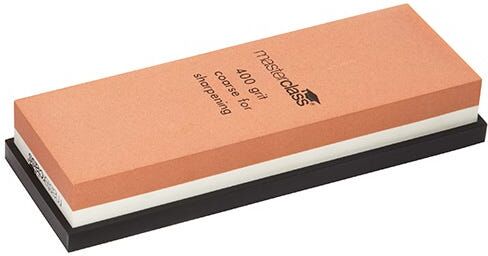
MasterClass Combination Sharpening StoneMasterClass sharpening stone with a two piece precision sharpening 400/1000 combination grit for enhanced performance. The firm but porous structure of the stone continuously releases small particles during the sharpening process that when combined with water are responsible for sharpening the knife blade. Features a non-slip base stand that ensures the stone stays stable while in use.Size: 18cm (7)25,96 £*Shipping: 3,50 £Secure redirect to the provider
-
Nonin Medical nVision Data Management Software for Oximetry Screening""" nVision SpO2 Data Management Software Nonin's innovation in pulse oximetry has led to the development of an easy oximetry reporting solution nVISION. Designed to provide effortless viewing, professional analysis, report generation and reliable..."441,00 $*Shipping: 0,00 $Secure redirect to the provider
-
Global G-38 Diamond Sharpening SteelRod Length: 26cm Global Sharpening Steels - for fine tuning and honing you can use Globals ceramic and diamond steels. Global ceramic and diamond rods are used in the same way that traditional steels are used to sharpen other knives and, as they are made from the two hardest materials known to man, are suitable for sharpening all good quality knives. A diamond rod is harder than the ceramic rod and will bring back a knife edge quicker. The diamond rod also will not break if it is hit or dropped unlike the ceramic rod.169,96 £*Shipping: 0,00 £Secure redirect to the provider
-
What are the settings of the leather sharpening machine?
The settings of a leather sharpening machine typically include the speed at which the leather is sharpened, the pressure applied to the leather during sharpening, and the angle at which the leather is sharpened. These settings can be adjusted based on the type of leather being sharpened and the desired sharpness of the end product. Additionally, some machines may have settings for cooling or lubricating the leather during the sharpening process to prevent overheating and ensure a smooth finish. **
-
What is a sharpening function?
A sharpening function is a digital image processing technique used to enhance the edges and details in an image. It works by increasing the contrast along the edges to make them appear sharper and more defined. This process can help improve the overall clarity and quality of an image by making it appear more crisp and detailed. Sharpening functions are commonly used in photography and graphic design to enhance the visual impact of an image. **
-
What is sharpening the chain?
Sharpening the chain refers to the process of filing the cutting teeth on a chainsaw chain to ensure they are sharp and able to cut efficiently. Over time, the cutting teeth can become dull from use, which can result in slower cutting speeds and a higher risk of kickback. Regularly sharpening the chain helps maintain its cutting performance and prolongs its lifespan. **
-
Is a sharpening stone the same as a sharpening stone, or are there qualitative differences?
A sharpening stone is not the same as a sharpening stone. There are qualitative differences between different types of sharpening stones. For example, some sharpening stones are made from natural materials like Arkansas stone or Japanese water stones, while others are made from synthetic materials like aluminum oxide or silicon carbide. The grit size and hardness of the stone can also vary, affecting the sharpening process and the quality of the edge produced. It's important to consider these differences when choosing a sharpening stone for a specific type of blade or tool. **
Similar search terms for Sharpening
-
Global G-39 Diamond Sharpening SteelRod Length: 30cm Global Sharpening Steels - for fine tuning and honing you can use Globals ceramic and diamond steels. Global ceramic and diamond rods are used in the same way that traditional steels are used to sharpen other knives and, as they are made from the two hardest materials known to man, are suitable for sharpening all good quality knives. A diamond rod is harder than the ceramic rod and will bring back a knife edge quicker. The diamond rod also will not break if it is hit or dropped unlike the ceramic rod.184,95 £*Shipping: 0,00 £Secure redirect to the provider
-
Global G-45 Ceramic Sharpening SteelRod Length: 24cm Global Sharpening Steels - for fine tuning and honing you can use Globals ceramic and diamond steels. Global ceramic and diamond rods are used in the same way that traditional steels are used to sharpen other knives and, as they are made from the two hardest materials known to man, are suitable for sharpening all good quality knives. A ceramic rod will give a finer edge if used regularly129,95 £*Shipping: 0,00 £Secure redirect to the provider
-
Global G-75 Diamond Sharpening SteelRod Length: 25.5cm Global Sharpening Steels - for fine tuning and honing you can use Globals ceramic and diamond steels. Global ceramic and diamond rods are used in the same way that traditional steels are used to sharpen other knives and, as they are made from the two hardest materials known to man, are suitable for sharpening all good quality knives. A diamond rod is harder than the ceramic rod and will bring back a knife edge quicker. The diamond rod also will not break if it is hit or dropped unlike the ceramic rod.128,95 £*Shipping: 0,00 £Secure redirect to the provider
-
Zwilling J A Henckels 26cm Sharpening SteelEnhance the longevity and performance of your kitchen knives with the Zwilling J A Henckels 26cm Sharpening Steel. Crafted for durability, this essential tool features a plastic handle that ensures a secure grip. The ergonomic design, with rounded lines and a seamless transition to the steel blade, guarantees comfort and stability during use. The black handle includes a convenient hanging hole for easy storage. Measuring 26cm in length, the sharpening rod boasts a ribbed structure for efficient sharpening. With a Rockwell hardness of approximately 62, this chrome-plated sharpening steel is highly resistant to damage, promising enduring sharpness for your knives. Its user-friendly design makes it a reliable accessory for quick and easy sharpening – simply glide your knife over the steel a few times before slicing through meat or other culinary delights. Elevate your kitchen experience with this indispensable tool for precision and longevity in knife maintenance.28,75 £*Shipping: 3,50 £Secure redirect to the provider
-
Can you help me with sharpening?
Yes, I can help you with sharpening. Sharpening can be done using various tools such as sharpening stones, sharpening rods, or electric sharpeners. The key is to maintain the correct angle and pressure while sharpening to achieve a sharp edge. I can provide guidance on the proper technique and tools to use for sharpening different types of blades or tools. **
-
Which sharpening stone for kitchen knives?
When choosing a sharpening stone for kitchen knives, it is important to consider the material of the knife blade. For softer steel blades, a coarse grit stone (around 1000 grit) is recommended to remove more material and reshape the edge. For harder steel blades, a finer grit stone (around 3000-6000 grit) is better for honing and polishing the edge. Additionally, a combination stone with both coarse and fine grit sides can be a versatile option for maintaining different types of kitchen knives. **
-
How important is sharpening ice skates?
Sharpening ice skates is extremely important for maintaining performance and safety on the ice. Dull skates can cause instability and increase the risk of injury, while sharp skates provide better control and maneuverability. Regular sharpening also helps to prolong the life of the skates by preventing excessive wear and tear. Overall, keeping ice skates sharp is essential for a positive skating experience. **
-
Does anyone know the sharpening angle?
The sharpening angle for a knife or tool can vary depending on the specific blade and its intended use. Generally, kitchen knives are sharpened at a 15-20 degree angle, while hunting or outdoor knives may be sharpened at a slightly wider angle for increased durability. It's important to consider the type of blade and its intended use when determining the sharpening angle. If you're unsure, it's best to consult the manufacturer's guidelines or seek advice from a professional. **
* All prices are inclusive of VAT and, if applicable, plus shipping costs. The offer information is based on the details provided by the respective shop and is updated through automated processes. Real-time updates do not occur, so deviations can occur in individual cases. ** Note: Parts of this content were created by AI.