Buy sdml.org ?
We are moving the project
sdml.org .
Are you interested in purchasing the domain
sdml.org ?
domain@kv-gmbh.de · 0541-91531010
Buy sdml.org ?
Is it competitive or non-competitive inhibition?
It is non-competitive inhibition. This is because the inhibitor binds to an allosteric site on the enzyme, which is different from the active site where the substrate binds. This type of inhibition does not compete with the substrate for binding to the enzyme, hence the name non-competitive inhibition. **
Non-competitive inhibition, right?
Non-competitive inhibition is a type of enzyme inhibition where the inhibitor binds to a site on the enzyme that is not the active site. This binding causes a conformational change in the enzyme, making it less effective at catalyzing the reaction. Non-competitive inhibitors do not compete with the substrate for binding to the enzyme. Instead, they can bind to the enzyme-substrate complex or to a separate allosteric site on the enzyme. **


Similar search terms for Non-competitive
Top-Angebote
Products related to Non-competitive:
-
Inspire Daily Merch Safe Kids Desktop Turtles Eat Beans Game Entertainment Educational Competitive Toy For Parent child Interaction 36 BeansEducational Fun for Kids The Kids Desktop Competitive Games Turtles Eat Beans toy is designed to offer hours of engaging fun while promoting valuable parentchild interaction. This safe and educational toy helps children develop essential skills such...69,97 $*Shipping: 0,00 $Secure redirect to the provider
-
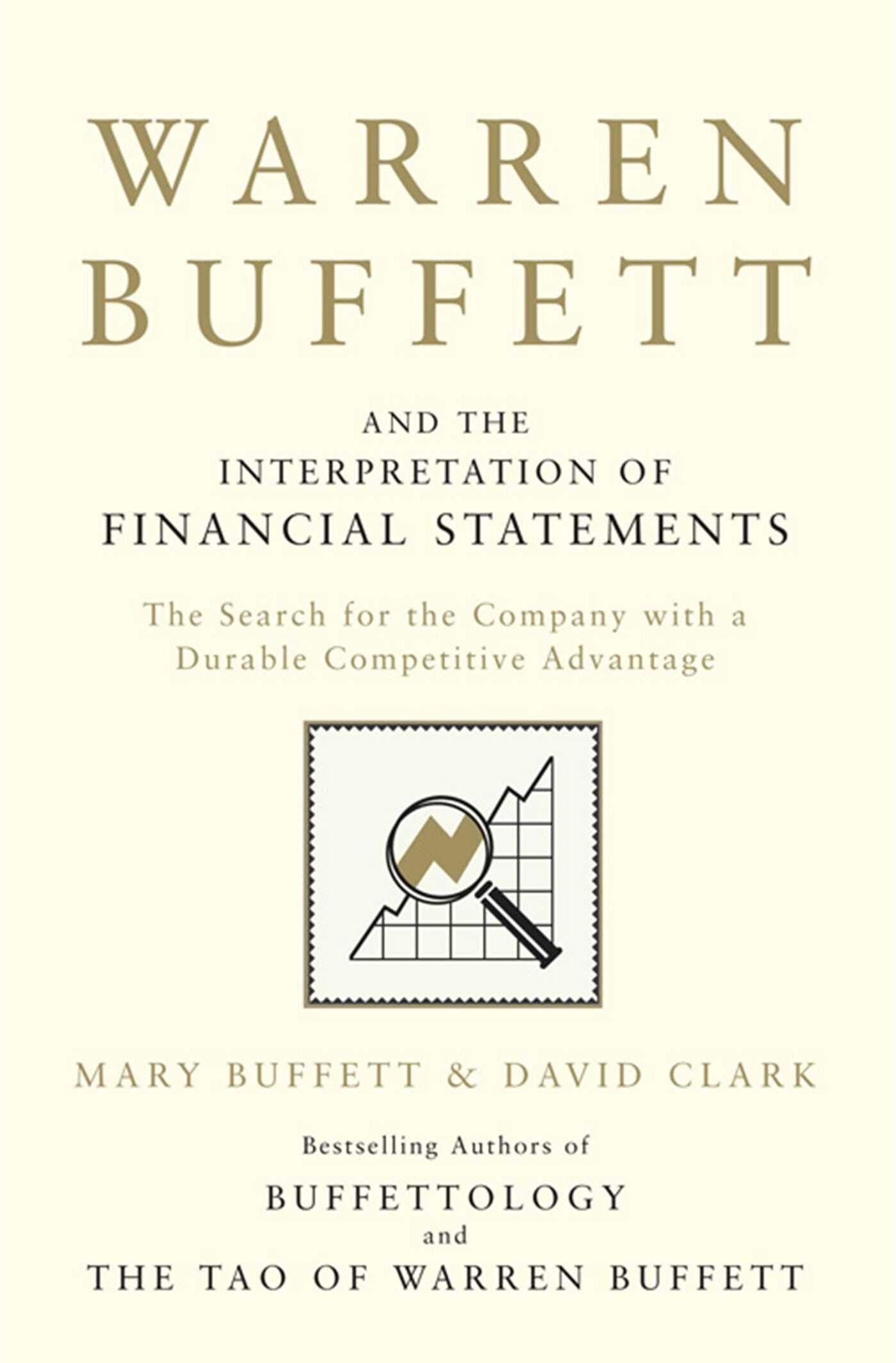
Simon and Schuster UK Warren Buffett and the Interpretation of Financial Statements: The Search for the Company with a Durable Competitive AdvantageWith an insider's view of the mind of the master, Mary Buffett and David Clark have written a simple guide for reading financial statements from Buffett's successful perspective. They clearly outline Warren Buffett's strategies in a way that will appeal to newcomers and seasoned Buffettologists alike. Inspired by the seminal work of Buffett's mentor, Benjamin Graham, this book presents Buffett's interpretation of financial statements with anecdotes and quotes from the master investor himself. Destined to become a classic in the world of investment books, Warren Buffett and the Interpretation of Financial Statements is the perfect companion volume to The New Buffettology and The Tao of Warren Buffett.4,95 £*Shipping: 1,99 £Secure redirect to the provider
-
Kingston Technology 240G DC2000B PCIe 4.0 M.2 2280 Enterprise SSD (Non-Heatsink)Enterprise class for server applicationsKingston’s DC2000B SSD is a high-performance boot drive designed for data centers using the latest Gen 4x4 PCIe interface with 3D TLC NAND. With low latency, IOPS consistency and hardware-based power loss protection, it ensures reliability and efficiency. Available in capacities of up to 960GB, it's ideal for enterprise server boot and caching applications. Kingston DC2000B is a high-performance PCIe 4.0 NVMe M.2 SSD using a Gen 4x4 PCIe controller and 3D TLC NAND. Ideally suited for use in high-volume rack-mount servers as an internal boot drive(s) to preserve valuable front-loading drive bays, as well as for use in purpose-built systems where a high-performance M.2 SSD is needed that includes hardware-based on-board power loss protection (PLP). New for DC2000B is an integrated aluminium heatsink that offers broader thermal compatibility for a wide range of systems. DC2000B delivers low latency and excellent IO consistency to handle various workloads from boot drive applications to high-speed application caching. DC2000B is rated at 0.4 DWPD write endurance and carries a 5-year warranty."PCIe 4.0 NVMe performanceUtilises PCIe Gen 4x4 lanes for high-performance speeds.On-board power loss protection (PLP)Reduce the possibility of data loss and/or corruption due to unexpected power-off.Low latency and IOPS consistencyFirmware optimised to deliver low latency and IO consistency for high duty cycle workloads.Designed for data center environmentsOptimised to meet the demands of server boot applications with low latency and IO consistency as the key design criteria.295,49 £*Shipping: 0,00 £Secure redirect to the provider
-
Uplift Picks Kids Learning Wall Clock With Silent Non Ticking Movement e 8 InchMake learning to tell time easier and more engaging for young learners. This kids learning clock uses a colorful analog face with clearly marked hours and minutes to help children understand how a clock works. The teaching time clock is sized at 8...52,98 $*Shipping: 0,00 $Secure redirect to the provider



-
What is the difference between competitive and non-competitive inhibition?
Competitive inhibition occurs when a molecule competes with the substrate for the active site of the enzyme, thus reducing the enzyme's ability to bind with the substrate. Non-competitive inhibition, on the other hand, occurs when a molecule binds to a site on the enzyme other than the active site, causing a conformational change in the enzyme that reduces its activity. In competitive inhibition, increasing the substrate concentration can overcome the inhibition, while in non-competitive inhibition, increasing the substrate concentration does not alleviate the inhibition. **
-
Is non-competitive inhibition irreversible or reversible?
Non-competitive inhibition is a type of enzyme inhibition that is reversible. In non-competitive inhibition, the inhibitor binds to the enzyme at a site other than the active site, causing a conformational change in the enzyme that reduces its activity. This type of inhibition can be overcome by increasing the substrate concentration, as it does not involve permanent alteration of the enzyme. **
-
What is an example of non-competitive inhibition?
An example of non-competitive inhibition is the binding of an allosteric inhibitor to an enzyme at a site other than the active site. This binding causes a conformational change in the enzyme, which reduces its activity and prevents the substrate from binding to the active site. This type of inhibition does not compete with the substrate for binding to the active site, hence the term "non-competitive." An example of this is the binding of ATP to the enzyme phosphofructokinase in glycolysis, which inhibits its activity. **
-
Can you give me an example of competitive and non-competitive inhibition in biology?
Sure! In competitive inhibition, a molecule similar in structure to the substrate competes with the substrate for the active site of the enzyme. This prevents the substrate from binding to the enzyme and carrying out its normal function. An example of this is the drug statins, which competitively inhibit the enzyme HMG-CoA reductase, involved in cholesterol synthesis. In non-competitive inhibition, a molecule binds to the enzyme at a location other than the active site, causing a conformational change in the enzyme that reduces its activity. An example of this is the poison cyanide, which non-competitively inhibits the enzyme cytochrome c oxidase in the electron transport chain, disrupting cellular respiration. **


Is allosteric inhibition the same as non-competitive inhibition?
Allosteric inhibition and non-competitive inhibition are not the same, although they are related. Non-competitive inhibition refers to the binding of an inhibitor to a site on the enzyme that is not the active site, thereby preventing the substrate from binding to the active site. Allosteric inhibition, on the other hand, occurs when an inhibitor binds to a site on the enzyme that is distinct from the active site, causing a conformational change in the enzyme that reduces its activity. While both types of inhibition involve the binding of an inhibitor to a site other than the active site, allosteric inhibition specifically involves a change in the enzyme's shape and activity. **
What is the difference between non-competitive and allosteric inhibition?
Non-competitive inhibition occurs when an inhibitor binds to an enzyme at a site other than the active site, causing a conformational change that prevents the substrate from binding. This type of inhibition is not affected by the concentration of the substrate. On the other hand, allosteric inhibition occurs when an inhibitor binds to an allosteric site on the enzyme, causing a conformational change that reduces the enzyme's activity. Allosteric inhibition is often reversible and can be overcome by increasing the concentration of the substrate. **
Top-Angebote
Products related to Non-competitive:
-
Nonin Medical nVision Data Management Software for Oximetry Screening""" nVision SpO2 Data Management Software Nonin's innovation in pulse oximetry has led to the development of an easy oximetry reporting solution nVISION. Designed to provide effortless viewing, professional analysis, report generation and reliable..."441,00 $*Shipping: 0,00 $Secure redirect to the provider
-
All Categories Goods Premium Wooden Chess Clock Timer Classic Mechanical Chess Clock For Competitive Play & Home Games Premium Wooden Chess Clock Timer Classic Mechanical Chess Clock For Competitive Play & Home GamesTurn every match into a memorable showdown with this timeless chess clock timer, crafted for both serious players and casual game nights. Whether youre practicing strategy or competing with friends, its classic mechanical design brings reliable...99,97 $*Shipping: 0,00 $Secure redirect to the provider
-
Inspire Daily Merch Safe Kids Desktop Turtles Eat Beans Game Entertainment Educational Competitive Toy For Parent child Interaction 36 BeansEducational Fun for Kids The Kids Desktop Competitive Games Turtles Eat Beans toy is designed to offer hours of engaging fun while promoting valuable parentchild interaction. This safe and educational toy helps children develop essential skills such...69,97 $*Shipping: 0,00 $Secure redirect to the provider
-
Simon and Schuster UK Warren Buffett and the Interpretation of Financial Statements: The Search for the Company with a Durable Competitive AdvantageWith an insider's view of the mind of the master, Mary Buffett and David Clark have written a simple guide for reading financial statements from Buffett's successful perspective. They clearly outline Warren Buffett's strategies in a way that will appeal to newcomers and seasoned Buffettologists alike. Inspired by the seminal work of Buffett's mentor, Benjamin Graham, this book presents Buffett's interpretation of financial statements with anecdotes and quotes from the master investor himself. Destined to become a classic in the world of investment books, Warren Buffett and the Interpretation of Financial Statements is the perfect companion volume to The New Buffettology and The Tao of Warren Buffett.4,95 £*Shipping: 1,99 £Secure redirect to the provider
-
Is it competitive or non-competitive inhibition?
It is non-competitive inhibition. This is because the inhibitor binds to an allosteric site on the enzyme, which is different from the active site where the substrate binds. This type of inhibition does not compete with the substrate for binding to the enzyme, hence the name non-competitive inhibition. **
-
Non-competitive inhibition, right?
Non-competitive inhibition is a type of enzyme inhibition where the inhibitor binds to a site on the enzyme that is not the active site. This binding causes a conformational change in the enzyme, making it less effective at catalyzing the reaction. Non-competitive inhibitors do not compete with the substrate for binding to the enzyme. Instead, they can bind to the enzyme-substrate complex or to a separate allosteric site on the enzyme. **
-
What is the difference between competitive and non-competitive inhibition?
Competitive inhibition occurs when a molecule competes with the substrate for the active site of the enzyme, thus reducing the enzyme's ability to bind with the substrate. Non-competitive inhibition, on the other hand, occurs when a molecule binds to a site on the enzyme other than the active site, causing a conformational change in the enzyme that reduces its activity. In competitive inhibition, increasing the substrate concentration can overcome the inhibition, while in non-competitive inhibition, increasing the substrate concentration does not alleviate the inhibition. **
-
Is non-competitive inhibition irreversible or reversible?
Non-competitive inhibition is a type of enzyme inhibition that is reversible. In non-competitive inhibition, the inhibitor binds to the enzyme at a site other than the active site, causing a conformational change in the enzyme that reduces its activity. This type of inhibition can be overcome by increasing the substrate concentration, as it does not involve permanent alteration of the enzyme. **
Similar search terms for Non-competitive
-
Kingston Technology 240G DC2000B PCIe 4.0 M.2 2280 Enterprise SSD (Non-Heatsink)Enterprise class for server applicationsKingston’s DC2000B SSD is a high-performance boot drive designed for data centers using the latest Gen 4x4 PCIe interface with 3D TLC NAND. With low latency, IOPS consistency and hardware-based power loss protection, it ensures reliability and efficiency. Available in capacities of up to 960GB, it's ideal for enterprise server boot and caching applications. Kingston DC2000B is a high-performance PCIe 4.0 NVMe M.2 SSD using a Gen 4x4 PCIe controller and 3D TLC NAND. Ideally suited for use in high-volume rack-mount servers as an internal boot drive(s) to preserve valuable front-loading drive bays, as well as for use in purpose-built systems where a high-performance M.2 SSD is needed that includes hardware-based on-board power loss protection (PLP). New for DC2000B is an integrated aluminium heatsink that offers broader thermal compatibility for a wide range of systems. DC2000B delivers low latency and excellent IO consistency to handle various workloads from boot drive applications to high-speed application caching. DC2000B is rated at 0.4 DWPD write endurance and carries a 5-year warranty."PCIe 4.0 NVMe performanceUtilises PCIe Gen 4x4 lanes for high-performance speeds.On-board power loss protection (PLP)Reduce the possibility of data loss and/or corruption due to unexpected power-off.Low latency and IOPS consistencyFirmware optimised to deliver low latency and IO consistency for high duty cycle workloads.Designed for data center environmentsOptimised to meet the demands of server boot applications with low latency and IO consistency as the key design criteria.295,49 £*Shipping: 0,00 £Secure redirect to the provider
-
Uplift Picks Kids Learning Wall Clock With Silent Non Ticking Movement e 8 InchMake learning to tell time easier and more engaging for young learners. This kids learning clock uses a colorful analog face with clearly marked hours and minutes to help children understand how a clock works. The teaching time clock is sized at 8...52,98 $*Shipping: 0,00 $Secure redirect to the provider
-
Inspire Daily Merch Safe Kids Desktop Turtles Eat Beans Game Entertainment Educational Competitive Toy For Parent child Interaction 72 BeansEducational Fun for Kids The Kids Desktop Competitive Games Turtles Eat Beans toy is designed to offer hours of engaging fun while promoting valuable parentchild interaction. This safe and educational toy helps children develop essential skills such...94,97 $*Shipping: 0,00 $Secure redirect to the provider
-
Uplift Picks Kids Learning Wall Clock With Silent Non Ticking Movement b 8 InchMake learning to tell time easier and more engaging for young learners. This kids learning clock uses a colorful analog face with clearly marked hours and minutes to help children understand how a clock works. The teaching time clock is sized at 8...52,98 $*Shipping: 0,00 $Secure redirect to the provider
-
What is an example of non-competitive inhibition?
An example of non-competitive inhibition is the binding of an allosteric inhibitor to an enzyme at a site other than the active site. This binding causes a conformational change in the enzyme, which reduces its activity and prevents the substrate from binding to the active site. This type of inhibition does not compete with the substrate for binding to the active site, hence the term "non-competitive." An example of this is the binding of ATP to the enzyme phosphofructokinase in glycolysis, which inhibits its activity. **
-
Can you give me an example of competitive and non-competitive inhibition in biology?
Sure! In competitive inhibition, a molecule similar in structure to the substrate competes with the substrate for the active site of the enzyme. This prevents the substrate from binding to the enzyme and carrying out its normal function. An example of this is the drug statins, which competitively inhibit the enzyme HMG-CoA reductase, involved in cholesterol synthesis. In non-competitive inhibition, a molecule binds to the enzyme at a location other than the active site, causing a conformational change in the enzyme that reduces its activity. An example of this is the poison cyanide, which non-competitively inhibits the enzyme cytochrome c oxidase in the electron transport chain, disrupting cellular respiration. **
-
Is allosteric inhibition the same as non-competitive inhibition?
Allosteric inhibition and non-competitive inhibition are not the same, although they are related. Non-competitive inhibition refers to the binding of an inhibitor to a site on the enzyme that is not the active site, thereby preventing the substrate from binding to the active site. Allosteric inhibition, on the other hand, occurs when an inhibitor binds to a site on the enzyme that is distinct from the active site, causing a conformational change in the enzyme that reduces its activity. While both types of inhibition involve the binding of an inhibitor to a site other than the active site, allosteric inhibition specifically involves a change in the enzyme's shape and activity. **
-
What is the difference between non-competitive and allosteric inhibition?
Non-competitive inhibition occurs when an inhibitor binds to an enzyme at a site other than the active site, causing a conformational change that prevents the substrate from binding. This type of inhibition is not affected by the concentration of the substrate. On the other hand, allosteric inhibition occurs when an inhibitor binds to an allosteric site on the enzyme, causing a conformational change that reduces the enzyme's activity. Allosteric inhibition is often reversible and can be overcome by increasing the concentration of the substrate. **
* All prices are inclusive of VAT and, if applicable, plus shipping costs. The offer information is based on the details provided by the respective shop and is updated through automated processes. Real-time updates do not occur, so deviations can occur in individual cases. ** Note: Parts of this content were created by AI.