Buy sdml.org ?
We are moving the project
sdml.org .
Are you interested in purchasing the domain
sdml.org ?
domain@kv-gmbh.de · 0541-91531010
Buy sdml.org ?
Which lens mount does this lens have?
This lens has a Canon EF lens mount. This means it is compatible with Canon DSLR cameras that use the EF mount, as well as some mirrorless cameras with an EF to RF mount adapter. The EF mount is a widely used and versatile mount, allowing for compatibility with a wide range of Canon cameras. **
Is there a lens hood for the lens?
Yes, there is a lens hood available for the lens. A lens hood is a useful accessory that helps to reduce lens flare and glare by blocking unwanted light from entering the lens. It can also provide some protection for the front element of the lens. It is recommended to use a lens hood whenever possible to improve the overall image quality. **

Similar search terms for Lens
Top-Angebote
Products related to Lens:
-
Epson ELP LM15 Zoom LensMedium-throw zoom lens with 36-57.4mm focal length and 1.6x optical zoom, variable F/1.8-2.35 aperture for flexible projection control. Compatible with extensive range of Epson EB and Pro series projectors. Weighs 1.9kg for convenient installation.1458,99 £*Shipping: 0,00 £Secure redirect to the provider
-
Panasonic ET-DLE350 Zoom LensCompatible zoom lens for Panasonic projectors with 1.5x optical zoom, focal length range of 52.8-79.5 mm, and f/1.8-2.2 aperture. Automatic focus adjustment and lightweight design (1.1 kg) enable flexible installation across multiple Panasonic projector models.1934,99 £*Shipping: 0,00 £Secure redirect to the provider
-
Panasonic ET-ELW20 Projector LensWide-angle zoom lens with 1.4x optical zoom and 20.4-27.6 mm focal length range. f/1.8-2.3 aperture enables flexible installation options. Supports multiple Panasonic projector series including EW, EX, EZ, MW, and MZ models.1422,99 £*Shipping: 0,00 £Secure redirect to the provider
-
Panasonic ET-ELT23 Projector LensLong-throw zoom lens designed for Panasonic projectors with 1.6x optical zoom and focal length range of 74.8-118.2 mm. Features f/1.8-2.3 aperture for versatile projection distances. Compatible with PT-EW, EX, EZ, MW, and MZ series projector models.1360,49 £*Shipping: 0,00 £Secure redirect to the provider


-
What does the lens do during autofocus 2 lens?
During autofocus, the lens in a camera with autofocus 2 technology adjusts its position to bring the subject into sharp focus. This is achieved through the movement of internal lens elements controlled by the camera's autofocus system. The lens continuously makes small adjustments to its focus position until the subject is in focus, allowing for quick and accurate focusing. This technology is particularly useful for capturing fast-moving subjects or for ensuring sharp focus in challenging lighting conditions. **
-
How do I input lens data into the Nikon D7500?
To input lens data into the Nikon D7500, first, turn on the camera and press the "Menu" button. Then, navigate to the "Setup Menu" and select "Non-CPU lens data." Next, choose the desired slot (1-9) and input the focal length and maximum aperture of the lens. Once the data is entered, press "OK" to save the information. This will allow the camera to recognize and record the correct lens data when using a non-CPU lens. **
-
How can one convert binocular and rifle scope data into camera lens data?
To convert binocular and rifle scope data into camera lens data, one can start by determining the magnification and focal length of the binocular or rifle scope. This information can then be used to calculate the equivalent focal length and field of view for a camera lens. Additionally, the exit pupil diameter and eye relief of the binocular or rifle scope can be used to determine the aperture and focusing distance for the camera lens. By understanding the specifications of the binocular or rifle scope, one can make informed decisions about which camera lens to use for a similar field of view and magnification. **
-
How can binocular and rifle scope data be converted into camera lens data?
Binocular and rifle scope data can be converted into camera lens data by understanding the specifications and measurements of each device. For binoculars and rifle scopes, factors such as magnification power, objective lens diameter, and field of view are important. These values can be used to find equivalent camera lens specifications that provide a similar field of view and magnification. Additionally, understanding the focal length and aperture of the camera lens can help in determining the equivalent settings for capturing similar images as seen through binoculars or rifle scopes. **


Is the converging lens the same as the diverging lens?
No, a converging lens and a diverging lens are not the same. A converging lens is thicker in the middle and causes parallel rays of light to converge at a focal point, while a diverging lens is thinner in the middle and causes parallel rays of light to diverge. Converging lenses are used to create real images, while diverging lenses are used to create virtual images. Therefore, the two types of lenses have different optical properties and applications. **
Which type of lens is better suited for wildlife photography: a prime lens or a zoom lens?
A zoom lens is generally better suited for wildlife photography because it offers versatility in framing the subject without having to physically move closer or further away. This is especially important when photographing unpredictable wildlife in their natural habitat. However, a prime lens can also be effective for wildlife photography, particularly for capturing specific details or in situations where a lighter and more compact lens is preferred. Ultimately, the choice between a prime lens and a zoom lens for wildlife photography depends on the specific needs and preferences of the photographer. **
Top-Angebote
Products related to Lens:
-
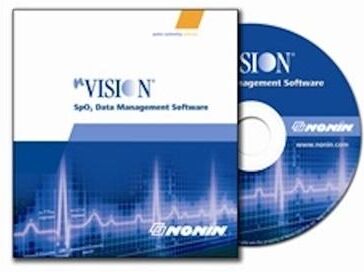
Nonin Medical nVision Data Management Software for Oximetry Screening""" nVision SpO2 Data Management Software Nonin's innovation in pulse oximetry has led to the development of an easy oximetry reporting solution nVISION. Designed to provide effortless viewing, professional analysis, report generation and reliable..."441,00 $*Shipping: 0,00 $Secure redirect to the provider
-
Fotodiox Pro Lens Mount Adapter Sony A Minolta AF Lens to Nikon Z CameraDescription Expand your Nikon Z camera lens options with the Fotodiox Pro Lens Mount Adapter, designed to connect Sony A-Mount and Minolta AF lenses to Nikon Z-mount mirrorless cameras. This precision-engineered adapter allows photographers to use a wider range of compatible lenses while maintaining a secure and stable connection. Built with durable materials and designed for accurate alignment, the adapter provides a reliable fit between the camera body and lens. It is ideal for photographers who own Sony A-Mount or Minolta AF lenses and want to explore creative possibilities with Nikon Z-series cameras. The compact design makes it easy to carry, while the simple mounting process allows quick lens changes without requiring permanent modifications to equipment.72,49 £*Shipping: 0,00 £Secure redirect to the provider
-
Epson ELP LM15 Zoom LensMedium-throw zoom lens with 36-57.4mm focal length and 1.6x optical zoom, variable F/1.8-2.35 aperture for flexible projection control. Compatible with extensive range of Epson EB and Pro series projectors. Weighs 1.9kg for convenient installation.1458,99 £*Shipping: 0,00 £Secure redirect to the provider
-
Panasonic ET-DLE350 Zoom LensCompatible zoom lens for Panasonic projectors with 1.5x optical zoom, focal length range of 52.8-79.5 mm, and f/1.8-2.2 aperture. Automatic focus adjustment and lightweight design (1.1 kg) enable flexible installation across multiple Panasonic projector models.1934,99 £*Shipping: 0,00 £Secure redirect to the provider
-
Which lens mount does this lens have?
This lens has a Canon EF lens mount. This means it is compatible with Canon DSLR cameras that use the EF mount, as well as some mirrorless cameras with an EF to RF mount adapter. The EF mount is a widely used and versatile mount, allowing for compatibility with a wide range of Canon cameras. **
-
Is there a lens hood for the lens?
Yes, there is a lens hood available for the lens. A lens hood is a useful accessory that helps to reduce lens flare and glare by blocking unwanted light from entering the lens. It can also provide some protection for the front element of the lens. It is recommended to use a lens hood whenever possible to improve the overall image quality. **
-
What does the lens do during autofocus 2 lens?
During autofocus, the lens in a camera with autofocus 2 technology adjusts its position to bring the subject into sharp focus. This is achieved through the movement of internal lens elements controlled by the camera's autofocus system. The lens continuously makes small adjustments to its focus position until the subject is in focus, allowing for quick and accurate focusing. This technology is particularly useful for capturing fast-moving subjects or for ensuring sharp focus in challenging lighting conditions. **
-
How do I input lens data into the Nikon D7500?
To input lens data into the Nikon D7500, first, turn on the camera and press the "Menu" button. Then, navigate to the "Setup Menu" and select "Non-CPU lens data." Next, choose the desired slot (1-9) and input the focal length and maximum aperture of the lens. Once the data is entered, press "OK" to save the information. This will allow the camera to recognize and record the correct lens data when using a non-CPU lens. **
Similar search terms for Lens
-
Panasonic ET-ELW20 Projector LensWide-angle zoom lens with 1.4x optical zoom and 20.4-27.6 mm focal length range. f/1.8-2.3 aperture enables flexible installation options. Supports multiple Panasonic projector series including EW, EX, EZ, MW, and MZ models.1422,99 £*Shipping: 0,00 £Secure redirect to the provider
-
Panasonic ET-ELT23 Projector LensLong-throw zoom lens designed for Panasonic projectors with 1.6x optical zoom and focal length range of 74.8-118.2 mm. Features f/1.8-2.3 aperture for versatile projection distances. Compatible with PT-EW, EX, EZ, MW, and MZ series projector models.1360,49 £*Shipping: 0,00 £Secure redirect to the provider
-
How can one convert binocular and rifle scope data into camera lens data?
To convert binocular and rifle scope data into camera lens data, one can start by determining the magnification and focal length of the binocular or rifle scope. This information can then be used to calculate the equivalent focal length and field of view for a camera lens. Additionally, the exit pupil diameter and eye relief of the binocular or rifle scope can be used to determine the aperture and focusing distance for the camera lens. By understanding the specifications of the binocular or rifle scope, one can make informed decisions about which camera lens to use for a similar field of view and magnification. **
-
How can binocular and rifle scope data be converted into camera lens data?
Binocular and rifle scope data can be converted into camera lens data by understanding the specifications and measurements of each device. For binoculars and rifle scopes, factors such as magnification power, objective lens diameter, and field of view are important. These values can be used to find equivalent camera lens specifications that provide a similar field of view and magnification. Additionally, understanding the focal length and aperture of the camera lens can help in determining the equivalent settings for capturing similar images as seen through binoculars or rifle scopes. **
-
Is the converging lens the same as the diverging lens?
No, a converging lens and a diverging lens are not the same. A converging lens is thicker in the middle and causes parallel rays of light to converge at a focal point, while a diverging lens is thinner in the middle and causes parallel rays of light to diverge. Converging lenses are used to create real images, while diverging lenses are used to create virtual images. Therefore, the two types of lenses have different optical properties and applications. **
-
Which type of lens is better suited for wildlife photography: a prime lens or a zoom lens?
A zoom lens is generally better suited for wildlife photography because it offers versatility in framing the subject without having to physically move closer or further away. This is especially important when photographing unpredictable wildlife in their natural habitat. However, a prime lens can also be effective for wildlife photography, particularly for capturing specific details or in situations where a lighter and more compact lens is preferred. Ultimately, the choice between a prime lens and a zoom lens for wildlife photography depends on the specific needs and preferences of the photographer. **
* All prices are inclusive of VAT and, if applicable, plus shipping costs. The offer information is based on the details provided by the respective shop and is updated through automated processes. Real-time updates do not occur, so deviations can occur in individual cases. ** Note: Parts of this content were created by AI.