Buy sdml.org ?
We are moving the project
sdml.org .
Are you interested in purchasing the domain
sdml.org ?
domain@kv-gmbh.de · 0541-91531010
Buy sdml.org ?
Does the brain hurt when learning?
The brain itself does not have pain receptors, so it cannot feel physical pain. However, some people may experience headaches or mental fatigue when learning new or challenging information. This is often due to increased neural activity and energy consumption in the brain. It is important to take breaks, stay hydrated, and get enough rest to support optimal brain function during the learning process. **
Does the brain become more efficient when learning?
Yes, the brain becomes more efficient when learning. When we learn new information or skills, the brain forms new neural connections and strengthens existing ones, which allows for more efficient processing and retrieval of that information in the future. This process, known as neuroplasticity, enables the brain to adapt and reorganize itself in response to learning experiences, ultimately leading to increased efficiency in processing and retaining new knowledge. Additionally, as we practice and repeat new skills or information, the brain becomes more efficient at performing those tasks, requiring less cognitive effort over time. **


Similar search terms for Brain
Top-Angebote
Products related to Brain:
-
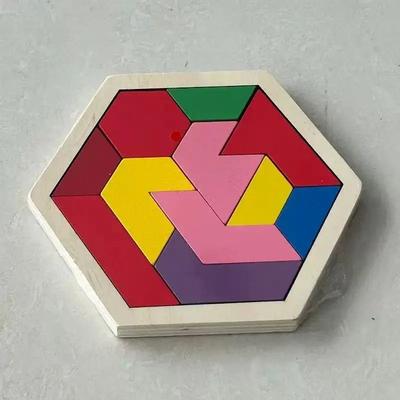
Inspired Living Montessori Wooden Shape Puzzle Board For Kids Learning & Brain Development aTurn playtime into a handson learning adventure with this beautifully crafted wooden puzzle toy designed to inspire curious young minds. Made for toddlers and preschoolers, this engaging board helps children recognize shapes, improve coordination,...23,97 $*Shipping: 0,00 $Secure redirect to the provider
-
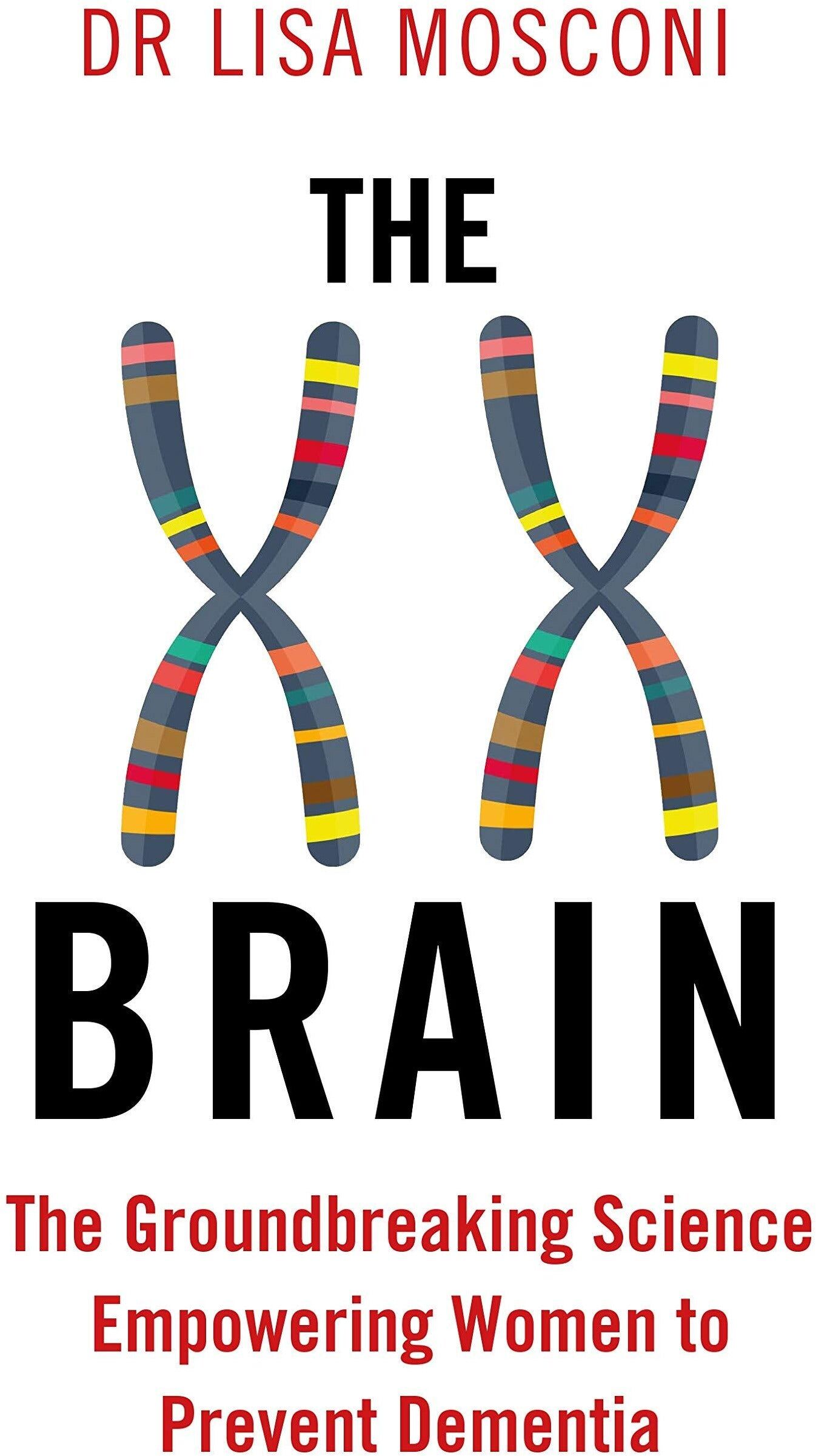
Various The XX Brain & Brain Food 2 Books Collection Set by Dr Lisa Mosconi – Women’s Brain Health CollectionDr Lisa Mosconi 2 Books Set - Brain Food & The XX Brain The XX Brain : The Groundbreaking Science Empowering Women to Prevent Dementia Women are far more likely than men to suffer from anxiety, depression, migraines, brain injuries, strokes and Alzheimer's disease. But, until recently, scientific research has focused on 'bikini medicine,' assuming that women are essentially men with different reproductive organs. The XX Brain presents groundbreaking research showing that women's brains age distinctly from men's, due mostly to the decline of a key brain-protective hormone: estrogen. Taking on all aspects of women's health, including brain fog, memory lapses, depression, stress, insomnia, hormonal imbalances and the increased risk of dementia, Dr. Mosconi introduces cutting-edge, evidence-based methods for protecting the female brain, encompassing diet, stress reduction and sleep. She also examines the effectiveness of hormonal replacement therapy, addresses the perils of environmental toxins and explores the role of our microbiome. Luckily, it is never too late to take care of yourself. Brain Food: How to Eat Smart and Sharpen Your Mind Your diet affects your body but it also affects your brain. Brain Food uses cutting-edge research to highlight the connection between nutrition and our brain's health, busting through pseudoscience and demonstrating how we can all change our diet most effectively. Based partly on her own discoveries, and using emerging science, for example on the connection between the brain and the gut, Dr Lisa Mosconi, an expert in both neuroscience and nutrition, reveals the foods and drinks that can prevent dementia, stress, cognitive decline and memory loss - no matter how old we are. Innovative and timely, and with accompanying brain-boosting recipes and lists of what to eat and what to avoid, Brain Food provides the ultimate plan for maximizing our brain power.9,95 £*Shipping: 2,99 £Secure redirect to the provider
-
Allen & Unwin The XX Brain, Lisa Mosconi, Nervous System, Brain ScienceThe XX Brain, Lisa Mosconi, Nervous System, Brain Science Women are far more likely than men to suffer from anxiety, depression, migraines, brain injuries, strokes and Alzheimer's disease. But, until recently, scientific research has focused on 'bikini medicine,' assuming that women are essentially men with different reproductive organs. The XX Brain presents groundbreaking research showing that women's brains age distinctly from men's, due mostly to the decline of a key brain-protective hormone: estrogen. Taking on all aspects of women's health, including brain fog, memory lapses, depression, stress, insomnia, hormonal imbalances and the increased risk of dementia, Dr. Mosconi introduces cutting-edge, evidence-based methods for protecting the female brain, encompassing diet, stress reduction and sleep. She also examines the effectiveness of hormonal replacement therapy, addresses the perils of environmental toxins and explores the role of our microbiome. Luckily, it is never too late to take care of yourself2,59 £*Shipping: 1,99 £Secure redirect to the provider
-
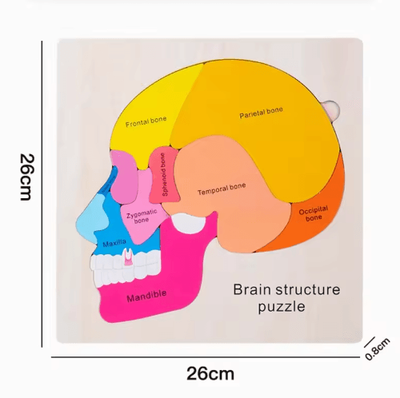
Inspire Picks Montessori Human Body Busy Board For Toddlers Body Parts Learning Toy brainMake body learning feel exciting, calm, and handson with this Montessori busy board made for curious little learners. This soft human body puzzle for kids helps toddlers match, place, and recognize body parts through screenfree play. Designed for...37,94 $*Shipping: 0,00 $Secure redirect to the provider

-
How can the human brain be implemented into software?
The human brain is incredibly complex, and replicating its functions in software is a significant challenge. One approach is to use artificial neural networks, which are software systems inspired by the structure and function of the human brain. These networks can be trained using large amounts of data to perform tasks such as pattern recognition, language processing, and decision-making. Additionally, advancements in neuroscience and computational modeling are helping researchers better understand the brain's mechanisms, which can inform the development of brain-inspired software. However, fully replicating the capabilities of the human brain in software remains a long-term goal that will require continued interdisciplinary research and technological advancements. **
-
How does data storage work in the brain?
Data storage in the brain occurs through a process called synaptic plasticity. When we learn something new or experience something, the connections between neurons, called synapses, are strengthened. This allows for the formation of new memories and the storage of information. Additionally, the brain can also reorganize and modify existing connections to accommodate new information. This process of synaptic plasticity enables the brain to store and retrieve vast amounts of information, forming the basis of our memory and cognitive abilities. **
-
How does learning affect brain waves in a hypnotic state?
Learning can affect brain waves in a hypnotic state by influencing the brain's ability to enter a state of focused attention and heightened suggestibility. When a person is learning new information or skills, their brain waves may shift towards a state of increased alertness and concentration, such as beta or gamma waves. In a hypnotic state, the brain may transition to slower brain wave patterns, such as alpha or theta waves, which are associated with relaxation and increased receptivity to suggestions. Therefore, the process of learning can potentially influence the brain's ability to enter and maintain a hypnotic state. **
-
Why is the brain not perfused during brain death?
During brain death, the brain is not perfused because the heart has stopped beating, leading to the cessation of blood flow to the brain. Without blood flow, the brain is deprived of oxygen and nutrients, leading to irreversible damage and ultimately, death of the brain tissue. This lack of perfusion also means that the brain is unable to carry out its essential functions, such as maintaining consciousness and regulating bodily functions. **

Brain or heart?
Both the brain and the heart are vital organs, but if I had to choose, I would say the brain. The brain is the control center of the body, responsible for processing information, making decisions, and controlling all bodily functions. Without the brain, the body would not be able to function. While the heart is essential for pumping blood and delivering oxygen to the body, the brain ultimately governs all of the body's functions. **
Can one develop serious brain diseases through pathological learning in school?
It is unlikely that one can develop serious brain diseases through pathological learning in school. Pathological learning refers to the process of learning in an abnormal or unhealthy way, which can lead to negative consequences. While excessive stress and pressure from school can have negative effects on mental health, it is not typically associated with the development of serious brain diseases. However, chronic stress and anxiety from pathological learning can contribute to mental health issues such as depression and anxiety disorders. It is important for individuals to prioritize their mental well-being and seek support if they are struggling with the pressures of school. **
Top-Angebote
Products related to Brain:
-
Nonin Medical nVision Data Management Software for Oximetry Screening""" nVision SpO2 Data Management Software Nonin's innovation in pulse oximetry has led to the development of an easy oximetry reporting solution nVISION. Designed to provide effortless viewing, professional analysis, report generation and reliable..."441,00 $*Shipping: 0,00 $Secure redirect to the provider
-
Penguin Dr. Lisa Mosconi Collection 3 Books Set (Brain Food, The XX Brain & The Menopause Brain)Dr. Lisa Mosconi Collection 3 Books Set (Brain Food, The XX Brain & The Menopause Brain): Brain Food Brain Food uses cutting-edge research to highlight the connection between nutrition and our brain's health, busting through pseudoscience and demonstrating how we can all change our diet most effectively. Based partly on her own discoveries, and using emerging science, for example on the connection between the brain and the gut, Dr Lisa Mosconi, an expert in both neuroscience and nutrition, reveals the foods and drinks that can prevent dementia, stress, cognitive decline and memory loss - no matter how old we are. The XX Brain The XX Brain presents groundbreaking research showing that women's brains age distinctly from men's, due mostly to the decline of a key brain-protective hormone: estrogen.Taking on all aspects of women's health, including brain fog, memory lapses, depression, stress, insomnia, hormonal imbalances and the increased risk of dementia, Dr. Mosconi introduces cutting-edge, evidence-based methods for protecting the female brain, encompassing diet, stress reduction and sleep. The Menopause Brain Menopause and perimenopause are still baffling to most doctors, leaving patients exasperated as they grapple with symptoms ranging from hot flashes to insomnia to brain fog. As a leading neuroscientist and women's brain health specialist, Dr Mosconi unravels these mysteries by revealing how menopause doesn't just impact the ovaries - it's a hormonal show in which the brain takes centre stage12,99 £*Shipping: 2,99 £Secure redirect to the provider
-
Inspired Living Montessori Wooden Shape Puzzle Board For Kids Learning & Brain Development aTurn playtime into a handson learning adventure with this beautifully crafted wooden puzzle toy designed to inspire curious young minds. Made for toddlers and preschoolers, this engaging board helps children recognize shapes, improve coordination,...23,97 $*Shipping: 0,00 $Secure redirect to the provider
-
Various The XX Brain & Brain Food 2 Books Collection Set by Dr Lisa Mosconi – Women’s Brain Health CollectionDr Lisa Mosconi 2 Books Set - Brain Food & The XX Brain The XX Brain : The Groundbreaking Science Empowering Women to Prevent Dementia Women are far more likely than men to suffer from anxiety, depression, migraines, brain injuries, strokes and Alzheimer's disease. But, until recently, scientific research has focused on 'bikini medicine,' assuming that women are essentially men with different reproductive organs. The XX Brain presents groundbreaking research showing that women's brains age distinctly from men's, due mostly to the decline of a key brain-protective hormone: estrogen. Taking on all aspects of women's health, including brain fog, memory lapses, depression, stress, insomnia, hormonal imbalances and the increased risk of dementia, Dr. Mosconi introduces cutting-edge, evidence-based methods for protecting the female brain, encompassing diet, stress reduction and sleep. She also examines the effectiveness of hormonal replacement therapy, addresses the perils of environmental toxins and explores the role of our microbiome. Luckily, it is never too late to take care of yourself. Brain Food: How to Eat Smart and Sharpen Your Mind Your diet affects your body but it also affects your brain. Brain Food uses cutting-edge research to highlight the connection between nutrition and our brain's health, busting through pseudoscience and demonstrating how we can all change our diet most effectively. Based partly on her own discoveries, and using emerging science, for example on the connection between the brain and the gut, Dr Lisa Mosconi, an expert in both neuroscience and nutrition, reveals the foods and drinks that can prevent dementia, stress, cognitive decline and memory loss - no matter how old we are. Innovative and timely, and with accompanying brain-boosting recipes and lists of what to eat and what to avoid, Brain Food provides the ultimate plan for maximizing our brain power.9,95 £*Shipping: 2,99 £Secure redirect to the provider
-
Does the brain hurt when learning?
The brain itself does not have pain receptors, so it cannot feel physical pain. However, some people may experience headaches or mental fatigue when learning new or challenging information. This is often due to increased neural activity and energy consumption in the brain. It is important to take breaks, stay hydrated, and get enough rest to support optimal brain function during the learning process. **
-
Does the brain become more efficient when learning?
Yes, the brain becomes more efficient when learning. When we learn new information or skills, the brain forms new neural connections and strengthens existing ones, which allows for more efficient processing and retrieval of that information in the future. This process, known as neuroplasticity, enables the brain to adapt and reorganize itself in response to learning experiences, ultimately leading to increased efficiency in processing and retaining new knowledge. Additionally, as we practice and repeat new skills or information, the brain becomes more efficient at performing those tasks, requiring less cognitive effort over time. **
-
How can the human brain be implemented into software?
The human brain is incredibly complex, and replicating its functions in software is a significant challenge. One approach is to use artificial neural networks, which are software systems inspired by the structure and function of the human brain. These networks can be trained using large amounts of data to perform tasks such as pattern recognition, language processing, and decision-making. Additionally, advancements in neuroscience and computational modeling are helping researchers better understand the brain's mechanisms, which can inform the development of brain-inspired software. However, fully replicating the capabilities of the human brain in software remains a long-term goal that will require continued interdisciplinary research and technological advancements. **
-
How does data storage work in the brain?
Data storage in the brain occurs through a process called synaptic plasticity. When we learn something new or experience something, the connections between neurons, called synapses, are strengthened. This allows for the formation of new memories and the storage of information. Additionally, the brain can also reorganize and modify existing connections to accommodate new information. This process of synaptic plasticity enables the brain to store and retrieve vast amounts of information, forming the basis of our memory and cognitive abilities. **
Similar search terms for Brain
-
Allen & Unwin The XX Brain, Lisa Mosconi, Nervous System, Brain ScienceThe XX Brain, Lisa Mosconi, Nervous System, Brain Science Women are far more likely than men to suffer from anxiety, depression, migraines, brain injuries, strokes and Alzheimer's disease. But, until recently, scientific research has focused on 'bikini medicine,' assuming that women are essentially men with different reproductive organs. The XX Brain presents groundbreaking research showing that women's brains age distinctly from men's, due mostly to the decline of a key brain-protective hormone: estrogen. Taking on all aspects of women's health, including brain fog, memory lapses, depression, stress, insomnia, hormonal imbalances and the increased risk of dementia, Dr. Mosconi introduces cutting-edge, evidence-based methods for protecting the female brain, encompassing diet, stress reduction and sleep. She also examines the effectiveness of hormonal replacement therapy, addresses the perils of environmental toxins and explores the role of our microbiome. Luckily, it is never too late to take care of yourself2,59 £*Shipping: 1,99 £Secure redirect to the provider
-
Inspire Picks Montessori Human Body Busy Board For Toddlers Body Parts Learning Toy brainMake body learning feel exciting, calm, and handson with this Montessori busy board made for curious little learners. This soft human body puzzle for kids helps toddlers match, place, and recognize body parts through screenfree play. Designed for...37,94 $*Shipping: 0,00 $Secure redirect to the provider
-
Allen & Unwin The Menopause Brain & Brain Food 2 Books Set By Dr Lisa MosconiThe Menopause Brain & Brain Food How to Eat Smart and Sharpen Your Mind By Dr Lisa Mosconi 2 Books Collection Set: The Menopause Brain: Menopause and perimenopause are still baffling to most doctors, leaving patients exasperated as they grapple with symptoms ranging from hot flashes to insomnia to brain fog. As a leading neuroscientist and women's brain health specialist, Dr Mosconi unravels these mysteries by revealing how menopause doesn't just impact the ovaries - it's a hormonal show in which the brain takes centre stage.The decline of the hormone estrogen during menopause influences everything from body temperature to mood to memory, potentially paving the way for cognitive decline later in life. To conquer these challenges successfully, Dr. Mosconi brings us the latest approaches - explaining the role of cutting-edge hormone replacement therapies like 'designer estrogens,' hormonal contraception and key lifestyle changes encompassing diet, exercise and self-care. Brain Food: How to Eat Smart and Sharpen Your Mind: Brain Food uses cutting-edge research to highlight the connection between nutrition and our brain's health, busting through pseudoscience and demonstrating how we can all change our diet most effectively. Based partly on her own discoveries, and using emerging science, for example on the connection between the brain and the gut, Dr Lisa Mosconi, an expert in both neuroscience and nutrition, reveals the foods and drinks that can prevent dementia, stress, cognitive decline and memory loss - no matter how old we are.Innovative and timely, and with accompanying brain-boosting recipes and lists of what to eat and what to avoid, Brain Food provides the ultimate plan for maximizing our brain power. 9781838957490 / 97802413817799,95 £*Shipping: 2,99 £Secure redirect to the provider
-
Inspire Select Wooden Geometric Shape Puzzle Board For Kids 3+ Brain Teaser Montessori Learning Toy Non Toxic Wood Educational Gift Wooden Geometric Shape Puzzle Board For Kids 3+ Brain Teaser Montessori Learning Toy Non Toxic Wood Educational GiftSpark curiosity and confidence with a handson wooden puzzle board that turns playtime into real skillbuilding. Designed for kids ages 3 and up, this geometric shape jigsaw helps little hands strengthen fine motor control while boosting...36,98 $*Shipping: 0,00 $Secure redirect to the provider
-
How does learning affect brain waves in a hypnotic state?
Learning can affect brain waves in a hypnotic state by influencing the brain's ability to enter a state of focused attention and heightened suggestibility. When a person is learning new information or skills, their brain waves may shift towards a state of increased alertness and concentration, such as beta or gamma waves. In a hypnotic state, the brain may transition to slower brain wave patterns, such as alpha or theta waves, which are associated with relaxation and increased receptivity to suggestions. Therefore, the process of learning can potentially influence the brain's ability to enter and maintain a hypnotic state. **
-
Why is the brain not perfused during brain death?
During brain death, the brain is not perfused because the heart has stopped beating, leading to the cessation of blood flow to the brain. Without blood flow, the brain is deprived of oxygen and nutrients, leading to irreversible damage and ultimately, death of the brain tissue. This lack of perfusion also means that the brain is unable to carry out its essential functions, such as maintaining consciousness and regulating bodily functions. **
-
Brain or heart?
Both the brain and the heart are vital organs, but if I had to choose, I would say the brain. The brain is the control center of the body, responsible for processing information, making decisions, and controlling all bodily functions. Without the brain, the body would not be able to function. While the heart is essential for pumping blood and delivering oxygen to the body, the brain ultimately governs all of the body's functions. **
-
Can one develop serious brain diseases through pathological learning in school?
It is unlikely that one can develop serious brain diseases through pathological learning in school. Pathological learning refers to the process of learning in an abnormal or unhealthy way, which can lead to negative consequences. While excessive stress and pressure from school can have negative effects on mental health, it is not typically associated with the development of serious brain diseases. However, chronic stress and anxiety from pathological learning can contribute to mental health issues such as depression and anxiety disorders. It is important for individuals to prioritize their mental well-being and seek support if they are struggling with the pressures of school. **
* All prices are inclusive of VAT and, if applicable, plus shipping costs. The offer information is based on the details provided by the respective shop and is updated through automated processes. Real-time updates do not occur, so deviations can occur in individual cases. ** Note: Parts of this content were created by AI.