Buy sdml.org ?
We are moving the project
sdml.org .
Are you interested in purchasing the domain
sdml.org ?
domain@kv-gmbh.de · 0541-91531010
Buy sdml.org ?
How is porcelain stoneware cleaned?
Porcelain stoneware can be cleaned using a mild detergent or a mixture of water and vinegar. It is important to avoid abrasive cleaners or harsh chemicals that can damage the surface of the stoneware. A soft cloth or mop can be used to gently clean the surface, followed by rinsing with clean water. For tougher stains, a specialized porcelain stoneware cleaner may be used following the manufacturer's instructions. **
How can one build a small erosion machine for home use?
To build a small erosion machine for home use, you can start by gathering materials such as a small water pump, PVC pipes, a container to hold the water, and a variety of rocks or soil for erosion testing. Connect the water pump to the container and use the PVC pipes to create a system that allows water to flow over the rocks or soil to simulate erosion. You can adjust the flow rate of the water to control the erosion process and observe how different materials are affected. This DIY erosion machine can be a fun and educational way to learn about erosion processes at home. **
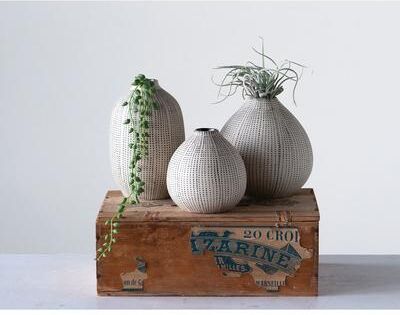

Similar search terms for Storied-Home-Small-Stoneware
Top-Angebote
Products related to Storied-Home-Small-Stoneware:
-
Storied Home Stoneware Booooooze Halloween PlatterCelebrate the spookiest season in style with the Stoneware Booooooze Halloween Platter. Expertly crafted from durable stoneware, every platter features natural variations in color and texture, ensuring each one is a unique work of art.29,99 $*Shipping: 0,00 $Secure redirect to the provider


-
How can one build a small erosion machine for home use themselves?
To build a small erosion machine for home use, one can start by gathering materials such as a small water pump, PVC pipes, a container to hold the water, and a variety of rocks or soil for erosion testing. Connect the water pump to the container and PVC pipes to create a circulating water system. Place the rocks or soil in the path of the circulating water to observe erosion over time. Adjust the flow rate of the water pump to simulate different erosion conditions. **
-
How do you drill into porcelain stoneware and tiles?
To drill into porcelain stoneware and tiles, you will need a carbide-tipped masonry drill bit specifically designed for hard materials like porcelain. Before drilling, mark the spot with a pencil and place a piece of masking tape over it to prevent the drill bit from slipping. Use a variable speed drill on a low speed setting and apply gentle, consistent pressure while drilling to avoid cracking or chipping the tile. It is also recommended to use a spray bottle with water to keep the drill bit and tile cool during the drilling process. **
-
How can one build a small erosion machine for home use by themselves?
To build a small erosion machine for home use, one can start by gathering materials such as a small water pump, PVC pipes, a container to hold the water, and a variety of rocks or sand for abrasion. Next, assemble the PVC pipes to create a pathway for the water to flow through, ensuring there are areas where the rocks or sand can be placed for erosion. Connect the water pump to the container and the PVC pipes, and adjust the flow rate to control the erosion process. Experiment with different materials and flow rates to observe the erosion effects and learn more about the process. **
-
What do you prefer, porcelain or ceramic/stoneware, and why?
I prefer porcelain because it is more durable and has a finer texture compared to ceramic/stoneware. Porcelain is also less porous, making it less likely to absorb stains and odors. Additionally, porcelain has a more elegant and refined appearance, making it a popular choice for formal dinnerware and decorative pieces. Overall, I find porcelain to be a more versatile and higher quality option for various household items. **

What are the costs for laying tiles or porcelain stoneware?
The costs for laying tiles or porcelain stoneware can vary depending on several factors such as the size of the area to be tiled, the type and quality of the tiles, and the complexity of the installation. Generally, the cost includes the price of the tiles themselves, the cost of labor for installation, and any additional materials or tools needed for the job. It's important to consider the cost of preparing the surface for tiling, as well as any additional finishing touches such as grouting and sealing. Overall, the cost for laying tiles or porcelain stoneware can range from a few hundred to several thousand dollars, depending on the specifics of the project. **
How much is this stoneware jug with pewter lid worth?
The value of a stoneware jug with a pewter lid can vary depending on factors such as its age, condition, and rarity. Antique stoneware jugs with pewter lids can range in value from $50 to several hundred dollars, with some rare or highly sought-after pieces fetching even higher prices. To determine the specific value of the jug in question, it would be best to consult with a professional appraiser or antique dealer who can assess its unique characteristics and provide an accurate valuation. **
Top-Angebote
Products related to Storied-Home-Small-Stoneware:
-
How is porcelain stoneware cleaned?
Porcelain stoneware can be cleaned using a mild detergent or a mixture of water and vinegar. It is important to avoid abrasive cleaners or harsh chemicals that can damage the surface of the stoneware. A soft cloth or mop can be used to gently clean the surface, followed by rinsing with clean water. For tougher stains, a specialized porcelain stoneware cleaner may be used following the manufacturer's instructions. **
-
How can one build a small erosion machine for home use?
To build a small erosion machine for home use, you can start by gathering materials such as a small water pump, PVC pipes, a container to hold the water, and a variety of rocks or soil for erosion testing. Connect the water pump to the container and use the PVC pipes to create a system that allows water to flow over the rocks or soil to simulate erosion. You can adjust the flow rate of the water to control the erosion process and observe how different materials are affected. This DIY erosion machine can be a fun and educational way to learn about erosion processes at home. **
-
How can one build a small erosion machine for home use themselves?
To build a small erosion machine for home use, one can start by gathering materials such as a small water pump, PVC pipes, a container to hold the water, and a variety of rocks or soil for erosion testing. Connect the water pump to the container and PVC pipes to create a circulating water system. Place the rocks or soil in the path of the circulating water to observe erosion over time. Adjust the flow rate of the water pump to simulate different erosion conditions. **
-
How do you drill into porcelain stoneware and tiles?
To drill into porcelain stoneware and tiles, you will need a carbide-tipped masonry drill bit specifically designed for hard materials like porcelain. Before drilling, mark the spot with a pencil and place a piece of masking tape over it to prevent the drill bit from slipping. Use a variable speed drill on a low speed setting and apply gentle, consistent pressure while drilling to avoid cracking or chipping the tile. It is also recommended to use a spray bottle with water to keep the drill bit and tile cool during the drilling process. **
Similar search terms for Storied-Home-Small-Stoneware
-
Storied Home Stoneware Booooooze Halloween PlatterCelebrate the spookiest season in style with the Stoneware Booooooze Halloween Platter. Expertly crafted from durable stoneware, every platter features natural variations in color and texture, ensuring each one is a unique work of art.29,99 $*Shipping: 0,00 $Secure redirect to the provider
-
How can one build a small erosion machine for home use by themselves?
To build a small erosion machine for home use, one can start by gathering materials such as a small water pump, PVC pipes, a container to hold the water, and a variety of rocks or sand for abrasion. Next, assemble the PVC pipes to create a pathway for the water to flow through, ensuring there are areas where the rocks or sand can be placed for erosion. Connect the water pump to the container and the PVC pipes, and adjust the flow rate to control the erosion process. Experiment with different materials and flow rates to observe the erosion effects and learn more about the process. **
-
What do you prefer, porcelain or ceramic/stoneware, and why?
I prefer porcelain because it is more durable and has a finer texture compared to ceramic/stoneware. Porcelain is also less porous, making it less likely to absorb stains and odors. Additionally, porcelain has a more elegant and refined appearance, making it a popular choice for formal dinnerware and decorative pieces. Overall, I find porcelain to be a more versatile and higher quality option for various household items. **
-
What are the costs for laying tiles or porcelain stoneware?
The costs for laying tiles or porcelain stoneware can vary depending on several factors such as the size of the area to be tiled, the type and quality of the tiles, and the complexity of the installation. Generally, the cost includes the price of the tiles themselves, the cost of labor for installation, and any additional materials or tools needed for the job. It's important to consider the cost of preparing the surface for tiling, as well as any additional finishing touches such as grouting and sealing. Overall, the cost for laying tiles or porcelain stoneware can range from a few hundred to several thousand dollars, depending on the specifics of the project. **
-
How much is this stoneware jug with pewter lid worth?
The value of a stoneware jug with a pewter lid can vary depending on factors such as its age, condition, and rarity. Antique stoneware jugs with pewter lids can range in value from $50 to several hundred dollars, with some rare or highly sought-after pieces fetching even higher prices. To determine the specific value of the jug in question, it would be best to consult with a professional appraiser or antique dealer who can assess its unique characteristics and provide an accurate valuation. **
* All prices are inclusive of VAT and, if applicable, plus shipping costs. The offer information is based on the details provided by the respective shop and is updated through automated processes. Real-time updates do not occur, so deviations can occur in individual cases. ** Note: Parts of this content were created by AI.